
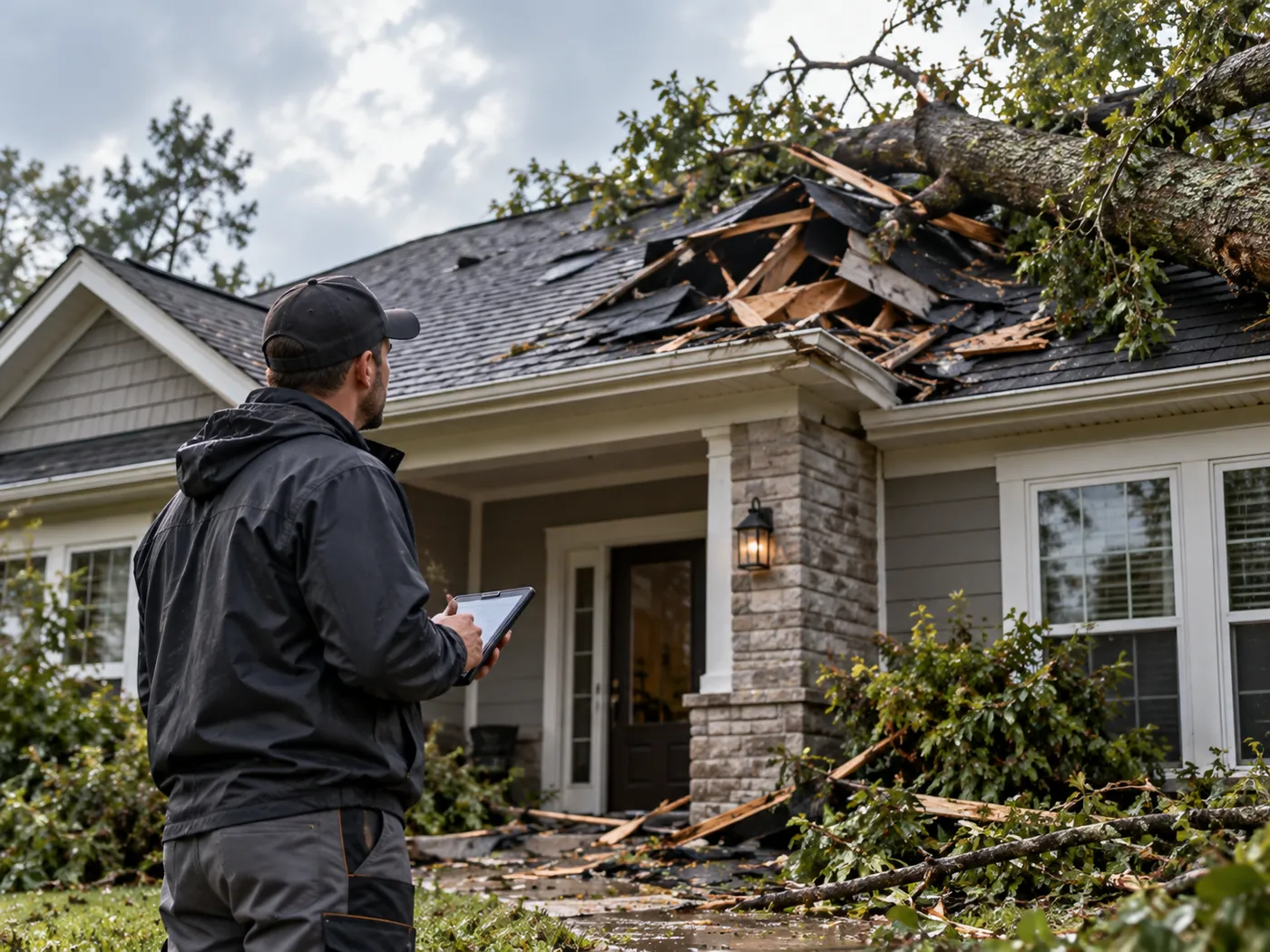
Storm damage restoration deals with water entry after heavy rain, roof damage, wind-driven rain and localised flooding, then dries and documents the affected building materials.
What does storm damage restoration include?
Our owner-operated team responds around the clock, identifies the water source and checks how far moisture has travelled. We extract water, protect contents, clean affected areas and install drying equipment. Where contamination is present, the work plan includes appropriate hygiene controls and disposal procedures.
When should you call?
- Water entering through the roof or ceiling
- Stormwater crossing doors or ground-floor areas
- Wet insulation or ceiling cavities
- Multiple rooms affected after severe weather
How the process works
- 01Make the area safe and identify active water entry
- 02Extract accessible water
- 03Assess contamination and damaged materials
- 04Dry the structure and contents where suitable
- 05Document progress and repair needs
Why measured restoration matters
Water can travel beyond the visible wet area into underlay, wall cavities, timber, subfloors and adjoining rooms. The restoration plan is based on source, contamination, material type and moisture readings rather than surface appearance alone. That helps reduce unnecessary removal while identifying materials that cannot be safely retained.
Storm Damage Restoration FAQs
What should I do first after stormwater enters the house?
Stay clear of electrical hazards and unstable building elements. If safe, stop further water entry and move dry valuables away from the affected area before calling a restoration specialist.
Can roof leaks wet walls without visible water?
Yes. Water can move through insulation, wall cavities and ceiling systems before stains or drips become obvious.
Do you work with roofers and builders?
Restoration findings can help define where building repairs are required after extraction and drying work is underway.
Is stormwater always contaminated?
The contamination level depends on where the water travelled. Water that has contacted soil, drains or other contaminants may require different controls from clean rainwater entering directly through a roof.